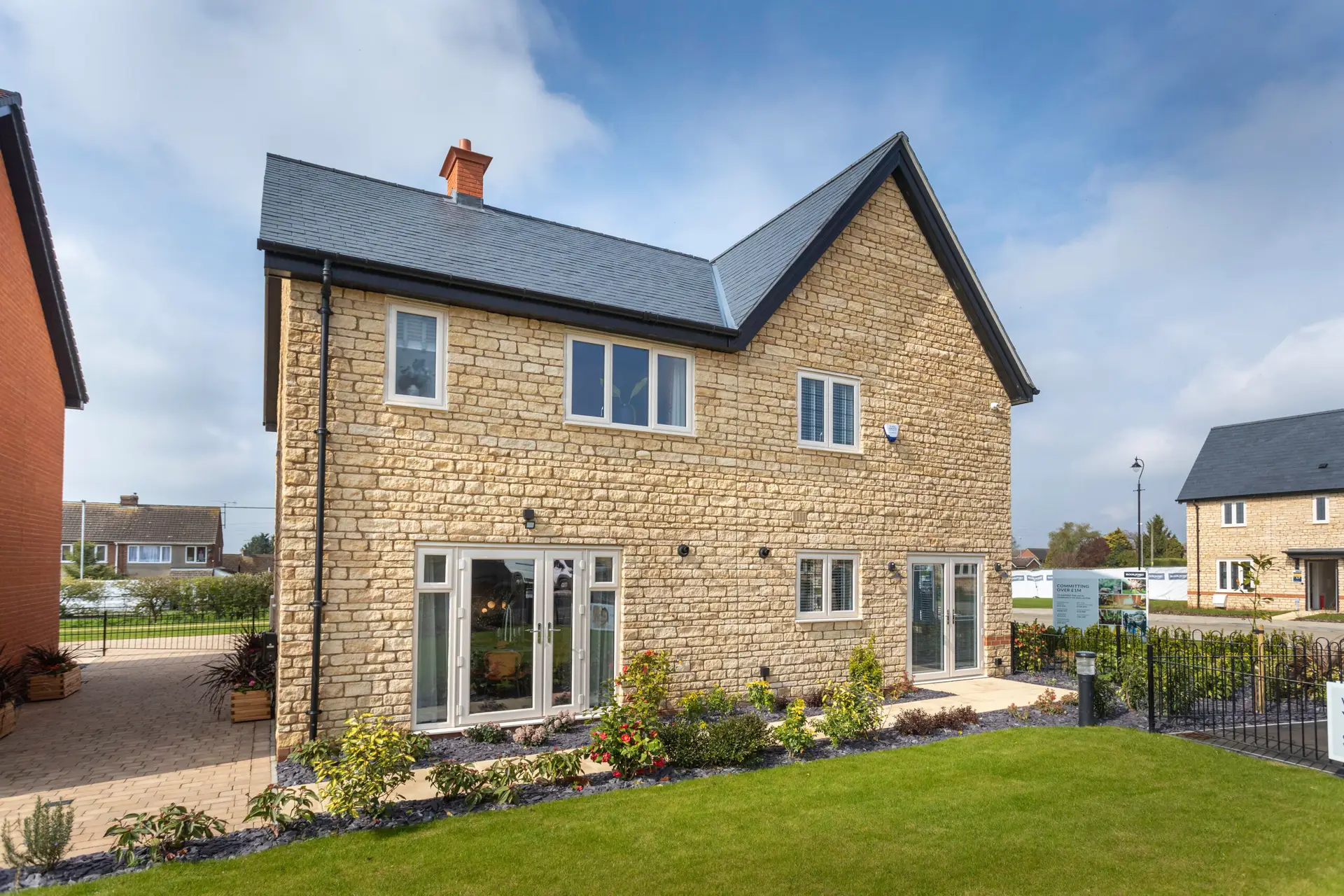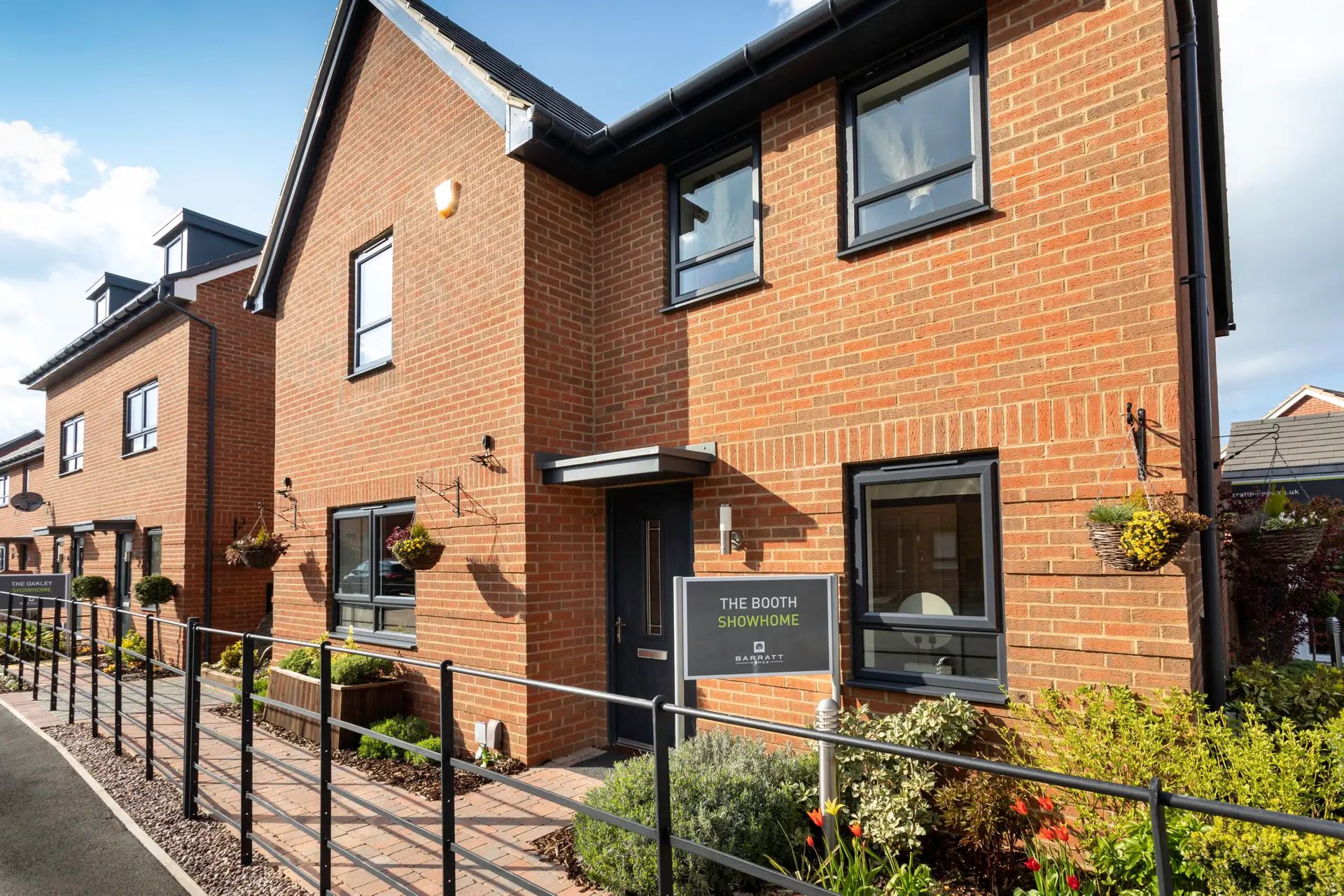
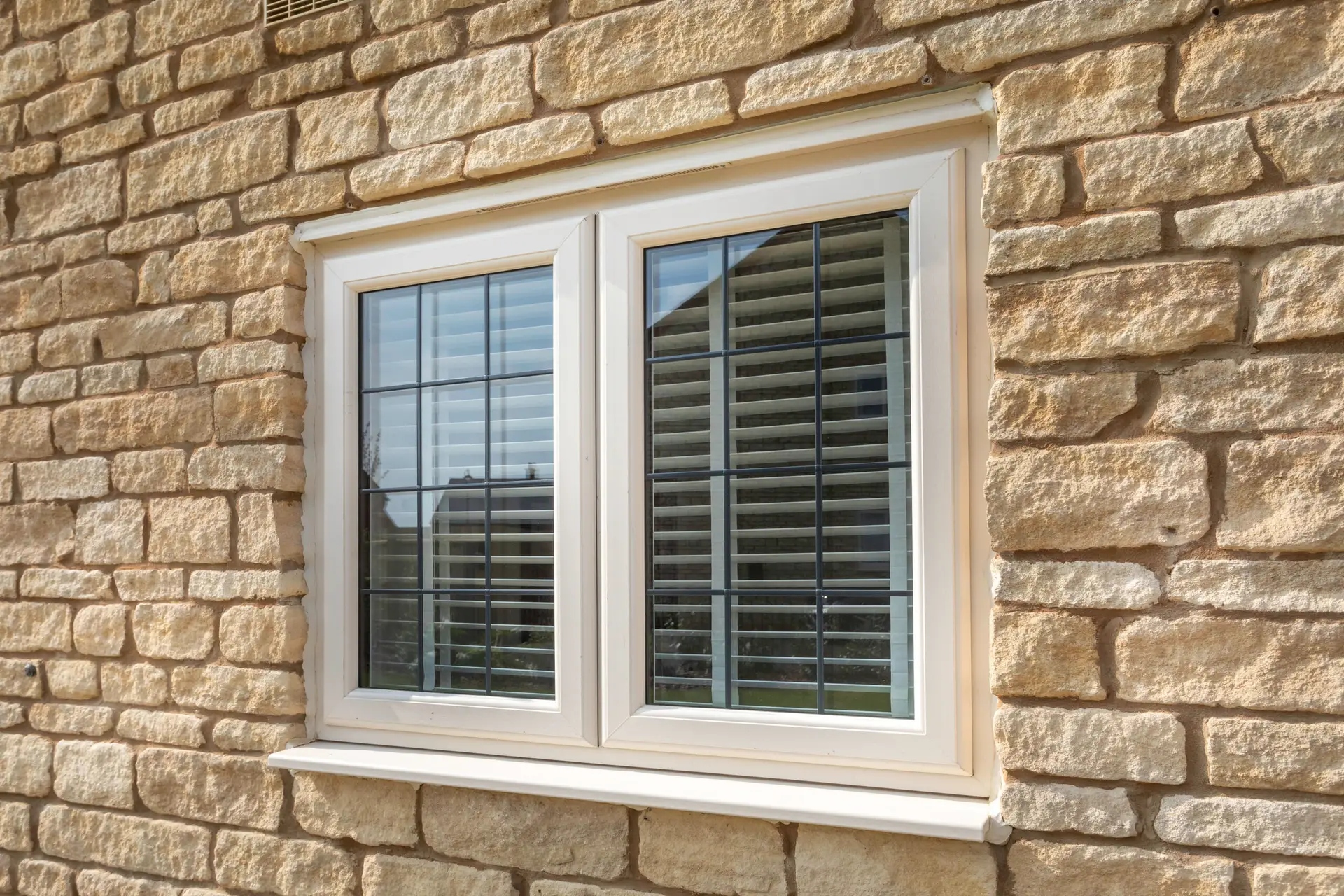
Choosing between PVC-U and aluminium is one of the first specification decisions on any new build or social housing scheme — and it’s rarely as simple as “aluminium is premium, PVC-U is standard.” Each material performs differently depending on plot type, budget, and what the finished elevation needs to do. Here’s how the two actually compare, and where each one earns its place on a build programme.
Thermal Performance
Both materials can hit strong energy efficiency figures when specified correctly, but they get there differently.
PVC-U’s multi-chambered profile design traps air within the frame itself, giving it naturally strong insulating properties without much additional engineering. Our Profile 22 window ranges achieve U-values as low as 0.9W/m²K straight off the standard specification — no upgrade required.
Aluminium conducts heat far more readily than PVC-U, so on its own it would perform poorly. Modern aluminium systems solve this with a thermal break — a polyamide barrier separating the internal and external faces of the frame, cutting the conductive heat path. Done properly (as in our AluK-based ranges), aluminium can match or approach PVC-U’s thermal performance, but it depends entirely on the specific system used — not all aluminium framing is equal here.
For Future Homes Standard and Building Regulations compliance, both materials can comply — the deciding factor is usually the specific product range and glazing specification, not the base material alone.
Cost and Programme Impact
PVC-U is typically the more cost-effective option across large-volume schemes, which is why it remains the default specification for the majority of new build and social housing plots. Aluminium framing and its thermally broken construction carry a higher unit cost, generally reserved for feature elevations, show homes, or premium plot types where the sightline benefit justifies the spend.
For house builders running multi-phase programmes, this often means a mixed specification: PVC-U as the volume standard, aluminium reserved for flagship units or rear elevations with larger glazed openings — such as our bi-folding door range, which achieves U-values as low as 0.9W/m²K on the AluK Unifold HI system.
Sightlines and Aesthetics
This is where aluminium’s premium positioning genuinely earns itself. Aluminium’s strength allows for much slimmer frame profiles than PVC-U, maximising glazed area for the same opening size — a meaningful difference on large sliding or bi-fold configurations where sightlines are a visible selling point to end buyers.
PVC-U has closed much of this gap in recent years. Our flush casement range gives a clean, flush sash-to-frame finish that reads far closer to an aluminium aesthetic than a traditional sculptured PVC-U casement — often enough to satisfy planning or design-code requirements without moving to aluminium at all.
Security and Compliance
Neither material has an inherent security advantage — compliance comes down to the specific system, hardware and locking mechanism, not the base material. Every window and door range we supply, in both PVC-U and aluminium, is Secured by Design accredited and PAS24 compliant as standard, so this isn’t a trade-off you need to make either way. See our full Accreditations for the complete compliance picture.
Maintenance
PVC-U requires very little ongoing maintenance — no repainting, and its finish is factory-applied and durable. Aluminium is similarly low-maintenance once installed, though powder-coated finishes can show wear differently over decades depending on the RAL colour and site exposure. Both are a significant step up from timber in this respect, which is largely why timber has fallen out of favour on most volume new build programmes.
So Which Should You Specify?
As a general rule:
- PVC-U for the majority of plots — cost-effective, strong thermal performance, low maintenance, and available across our full window and door ranges.
- Aluminium for feature elevations, larger openings (bi-folds, sliding doors), or where slim sightlines are a specified design requirement.
Most schemes end up using both, specified plot-by-plot rather than as a single blanket decision — which is exactly where early conversation with a Commercial team pays off, before drawings are finalised rather than after.
Talk to Our Commercial Team
If you’re specifying a mixed programme and want a second opinion on where PVC-U covers you and where aluminium is worth the upgrade, get in touch — our team can talk through your plot mix against your budget and programme before you finalise a specification.